
Planning a DIY Alaska fishing trip is one of the most rewarding ways to experience the "Salmon Capital of the World." While Ketchikan is famous for its elite charter fleet, the island’s plentiful bodies of water and accessible marinas make it entirely possible to land trophy fish without a professional guide. Whether you’re looking to save on costs or simply want the freedom to set your own schedule, a self-guided approach offers a raw, authentic connection to the Alaskan wilderness.

How much does an Alaska fishing license cost in 2026?
A non-resident 1-day sport fishing license in 2026 costs $15, while a 7-day license is $45. If you plan to target King Salmon, you must also purchase a King Salmon Stamp, which is an additional $15 for one day or $45 for seven days.
These fees are established by the Alaska Department of Fish and Game (ADF&G) and are required for all non-resident anglers age 16 and older. You can purchase your license through the ADF&G mobile app, which is now the standard for digital field verification. Keep in mind that a printed harvest record card is still required for recording "annual limit" species like King Salmon and Halibut.
Where are the best Ketchikan shore fishing spots?
The premier Ketchikan shore fishing spots are Mountain Point for saltwater salmon and halibut, and Ward Creek for freshwater trout and salmon. Mountain Point is located roughly five miles south of town and offers unique deep-water access directly from the rocky shoreline.
- Mountain Point: Ideal for Pink and Silver salmon during the peak of summer (July–August).
- Thomas Basin: Located near the mouth of Ketchikan Creek, this breakwater is a convenient spot for catching hatchery-bound King salmon in June.
- Herring Cove: A hotspot at the end of the South Tongass Highway where salmon congregate before moving into the Whitman Lake Hatchery.
- Ward Creek: A peaceful freshwater alternative for those seeking Cutthroat trout or Dolly Varden in a rainforest setting.

Is renting a boat for self-guided fishing in Ketchikan worth it?
Renting a boat is highly worth it for anglers who want to target Halibut or avoid the crowds at popular shoreline spots. Self-guided boat rentals typically cost between $300 and $500 per day, which is a fraction of the cost of a private charter.
Renting a 20-foot skiff from marinas like Knudson Cove or Clover Pass gives you the mobility to troll the Tongass Narrows. Notably, Alaska self-guided fishing often allows for more flexible Halibut limits than guided charters. In 2026, unguided anglers generally retain a two-fish daily limit of any size, whereas charter guests are often restricted by "slot limits" and specific day-of-the-week closures.
What gear is required for a successful DIY trip?
A medium-heavy 8-foot spinning rod with a 20lb to 30lb test line is the most versatile setup for salmon, while boaters targeting halibut require a stout "bottom-fishing" rod. For lures, Silver Pixee Spoons and #4 Vibrax Spinners in fluorescent pink or chartreuse are some of the most common and productive options.
Where can you rent fishing gear in Ketchikan?
You can rent salmon and halibut rods at Knudson Cove Marina. Renting gear is a cost-effective alternative to paying "oversized" baggage fees on airlines.
- Knudson Cove Marina: Offers a full line of rental rods, crab pots, and downriggers specifically for their boat rental guests.
- ADF&G Rod Loaner Program: Located at the local Fish and Game office on Sea Level Drive, this program allows you to borrow spinning rods for free on a first-come, first-served basis (perfect for shore anglers).
- Dolly’s House (Creek Street): Frequently offers seasonal, light-duty rentals for visitors looking to cast for salmon directly from the downtown docks.
Essential "Soft" Gear
Ketchikan is located in the heart of a temperate rainforest and receives an average of 153 inches of rain annually, meaning you should plan for precipitation regardless of the season. High-quality waterproof bibs and rubber boots are essential for staying dry in the Tongass National Forest. Most rental shops do not provide clothing, so it is recommended to bring your own Gore-Tex waterproof layers.
How do you process and ship fish on a self-guided trip?
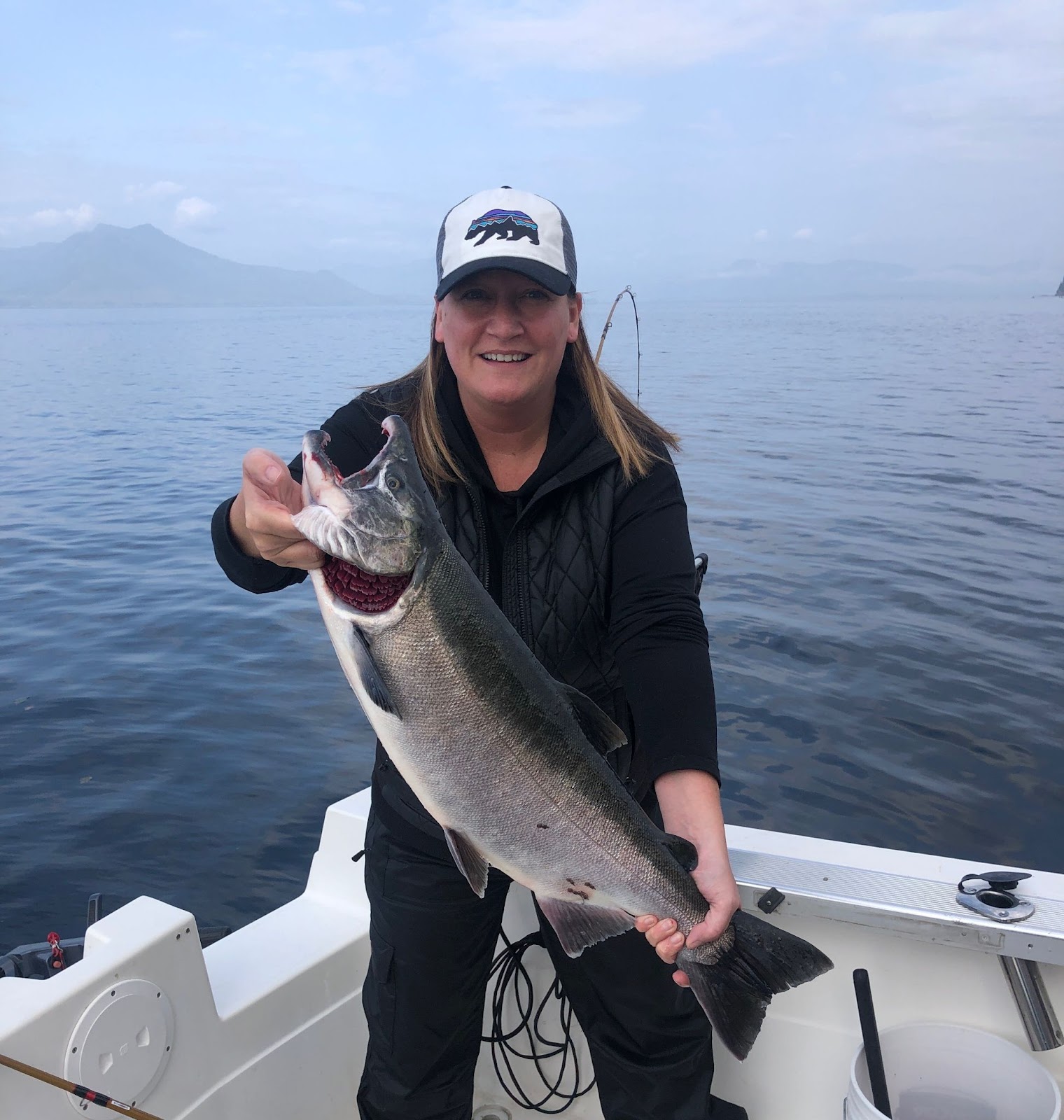
Anglers taking the self-guided approach can use the public cleaning stations at local harbors or hire professional processors like Gateway Forest Products to fillet, vacuum-pack, and flash-freeze their catch. Professional processing typically costs $3.50 to $5.00 per pound but is the best way to ensure your fish survives the trip home.

Your Ketchikan Fishing Basecamp: The Landing Hotel
A successful Alaska self-guided fishing trip is built on efficient logistics. The Landing Hotel provides the practical infrastructure independent anglers need to maximize their time on the water.
- Strategic Location: Located just South of the airport ferry, we offer a complimentary shuttle to make your arrival and departure seamless.
- Avoid the Crowds: Our West End location places you closer to the North-end marinas.
- On-Site Dining: Tides don't wait for late sleepers. The Diner at The Landing opens early for a "Fisherman’s Breakfast," while The Portside Pub & Grill is the perfect place to unwind with an Alaskan brewed pint and a delectable gastro-pub style meal after a long day of casting.
Ready to be your own captain? Check availability at The Landing Hotel and start planning your fishing trip today!


.svg)



