
%20Large.jpeg)
Ketchikan’s story is one of cultural continuity, resource-driven growth, and adaptation to life on Alaska’s southeastern edge. Long before it became known for fishing, flightseeing, and Creek Street, the area was shaped by Indigenous settlement, strategic geography, and the rhythms of the sea. Understanding the history of Ketchikan provides a deeper appreciation for the town’s identity today.
This guide explores the history of Ketchikan, Alaska from its earliest inhabitants through its transformation into one of Southeast Alaska’s most enduring communities.
Who Lived in Ketchikan Before American/European Settlement?
Long before American settlement, the Ketchikan area was home to the Tlingit people, who lived along the coast and waterways of what is now Southeast Alaska. The region’s abundant salmon streams, protected harbors, and forest resources supported permanent villages, seasonal camps, and extensive trade networks.
Foundations of early Ketchikan life included:
- Fishing and harvesting from Ketchikan Creek and nearby waterways
- Clan-based social organization
- Totem poles as expressions of lineage, history, and status
- Canoe travel linking coastal communities across the Inside Passage
These systems existed for centuries and remain central to Ketchikan’s identity today through museums, cultural centers, and preserved village sites.
How Did Ketchikan Get Its Name?
One of the most researched questions in Ketchikan history is the origin of the town’s name.
The name Ketchikan is believed to come from a Tlingit phrase associated with Ketchikan Creek and is commonly translated as “thundering wings of an eagle”. Though historians note that the precise meaning varies due to differences in early transliteration and oral interpretation.
Rather than being named after a person or explorer, the name reflects the natural environment that defined the area long before settlement.
The Birth of a Town: Fishing, Trade, and Early Settlement
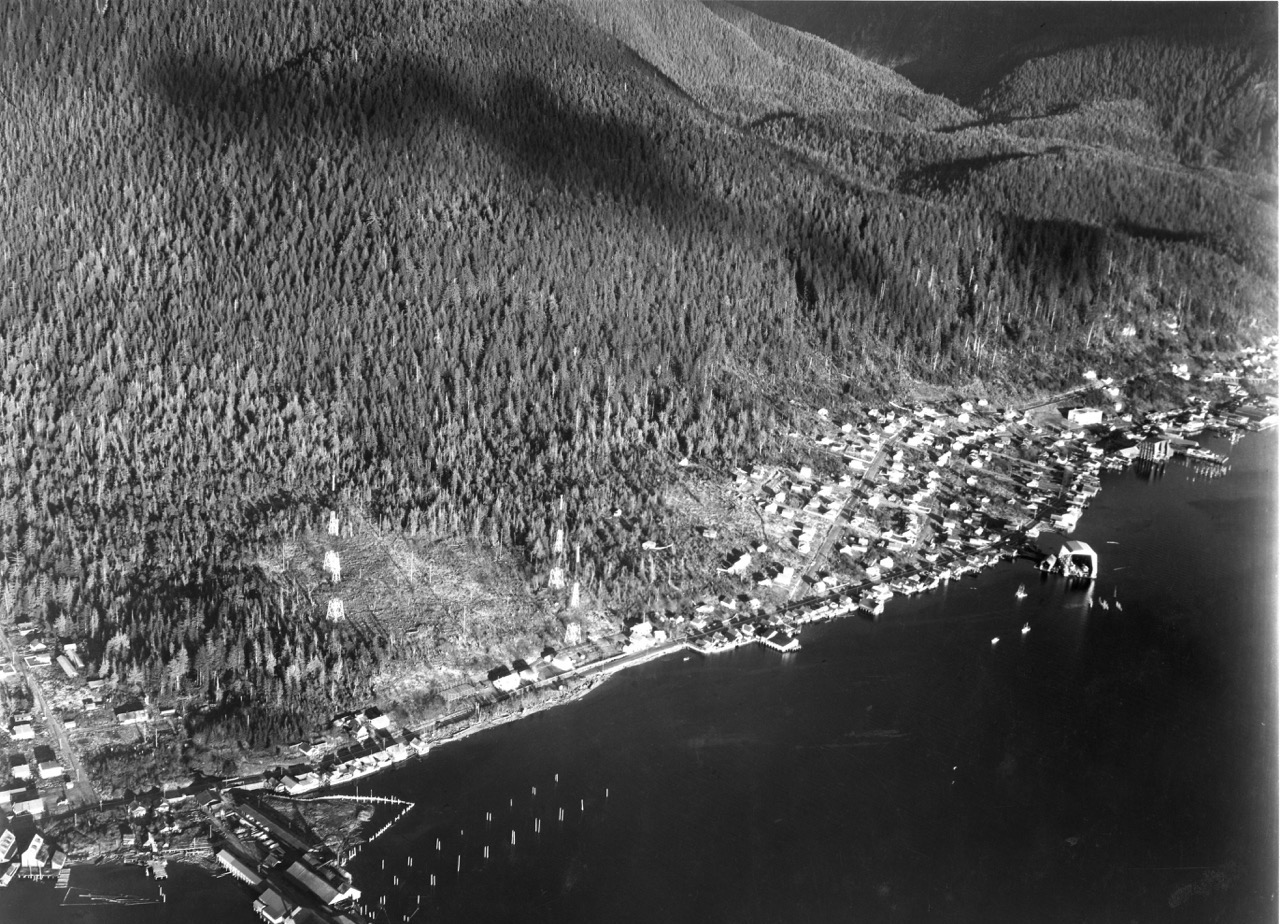
The modern town of Ketchikan began forming in the late 1800s as American traders, fishermen, and entrepreneurs recognized the region’s strategic coastal location.
Key milestones in early settlement:
- 1885: Establishment of a salmon saltery marked the beginning of permanent non-Native settlement
Expansion of commercial fishing along the Inside Passage - Construction of docks, canneries, and supply operations
- 1900: Ketchikan was formally incorporated as a city, reflecting its rapid growth and emerging role as a regional center
Because of its deep harbor and proximity to rich fishing grounds, Ketchikan quickly became a central port in Alaska’s salmon industry. By the early 20th century, canneries lined the waterfront, shaping the economy and daily life.
Fishing was not just an industry, it structured employment, migration patterns, and the seasonal rhythm of the town.
Creek Street: A Defining Chapter in Ketchikan History
No discussion of Ketchikan history is complete without addressing Creek Street.
Originally built on wooden pilings over Ketchikan Creek, Creek Street became a major commercial corridor during the town’s boom years. While it housed legitimate businesses, it also gained notoriety in the early 1900s as Ketchikan’s red-light district.
Key points in Creek Street Ketchikan history:
- Built above the creek due to limited flat land
- Home to shops, boarding houses, and residences
- Prostitution was illegal in Alaska but widely tolerated until federal enforcement in the 1950s
- The district declined after vice operations were shut down
Today, Creek Street is preserved as a historic district with museums, shops, and galleries. It remains one of the most visible reminders of Ketchikan’s frontier-era past.
From Fishing Town to Regional Hub
By the mid-20th century, Ketchikan had grown beyond a fishing outpost into a diversified coastal city.
Key developments included:
- Continued expansion of commercial fishing and processing
- Growth of the timber industry and shipbuilding
- Operations of the Ketchikan Pulp Company, which became one of the city’s largest employers and a major force in Southeast Alaska’s timber economy (1954–1997)
- Infrastructure improvements connecting Ketchikan to other Southeast Alaska communities
Ketchikan’s importance as a transportation and supply center increased with marine routes that linked island communities throughout the region.
.jpeg)
Ketchikan and World War II
During World War II, Ketchikan became part of Alaska’s coastal defense network due to its strategic location along the Inside Passage and proximity to shipping routes.
Historically documented roles included:
- Serving as a naval support and staging area for Southeast Alaska
- Hosting coastal monitoring and military infrastructure
- Supporting wartime logistics through shipyards, ports, and transportation facilities
Although Ketchikan was not a front-line combat zone like parts of the Aleutian Islands, the war years accelerated development of docks, airfields, and marine infrastructure. These investments reinforced the town’s role as a regional hub and shaped post-war growth.
Preserving Culture: Totem Poles and Heritage Sites
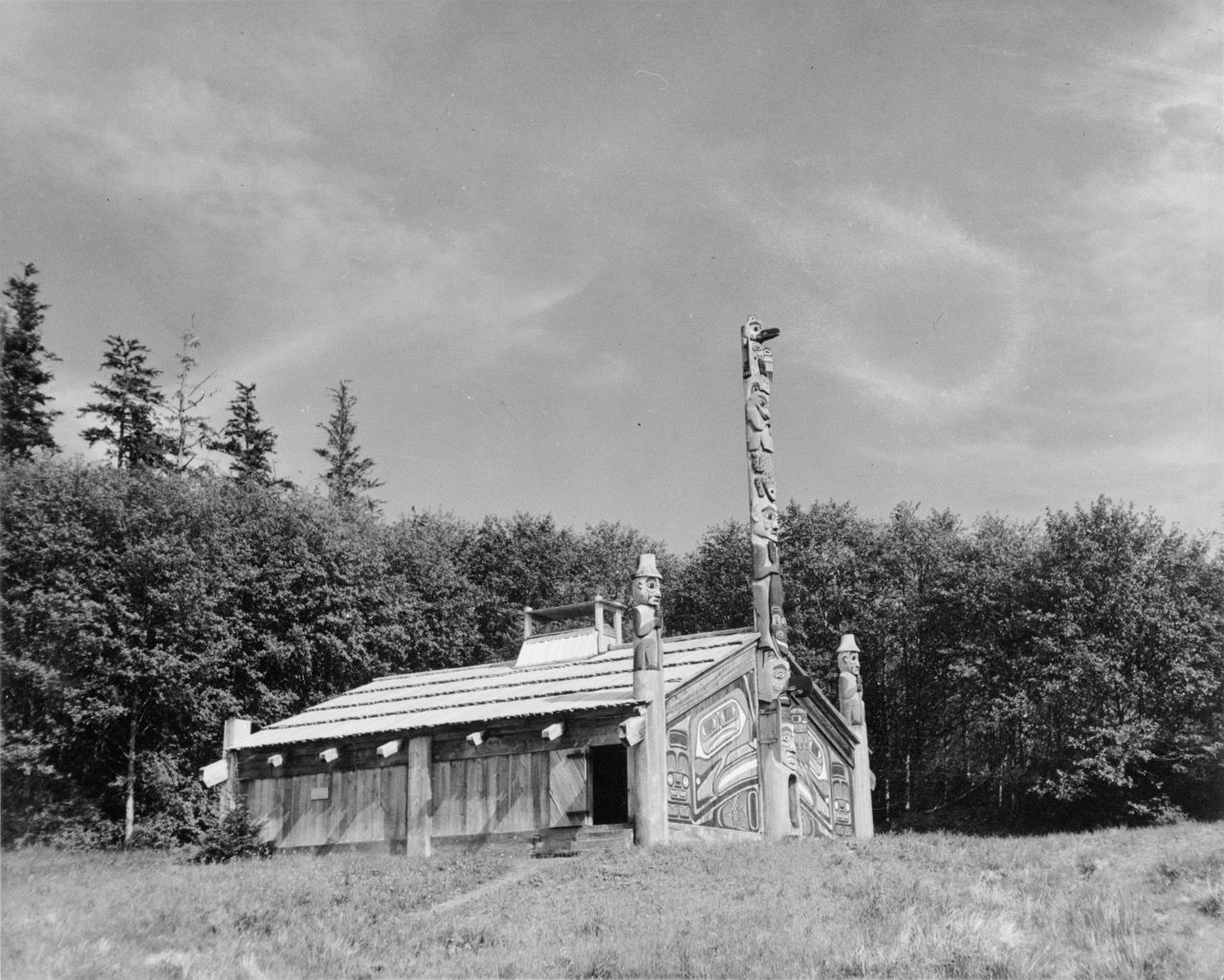
Ketchikan later became a focal point for cultural preservation in Southeast Alaska, particularly for Tlingit heritage.
Major cultural landmarks include:
- Totem Bight State Historical Park – a restored village site with totem poles and a traditional clan house
- Saxman Native Village – home to one of the largest collections of standing totem poles in the world
- Local museums and cultural centers documenting Indigenous, fishing, and industrial history
These sites ensure that Ketchikan’s past remains visible and meaningful.

Planning a Trip to Ketchikan?
The history of Ketchikan, Alaska explains why the town feels distinct from many other Alaska destinations. It is not a purpose-built resort city or a transient outpost. It is a place shaped by Indigenous stewardship, maritime industry, and cultural resilience.
For travelers planning a stay, The Landing Hotel offers a convenient home base near the ferry terminals and airport ferry, making it easy to reach historic areas, museums, and the waterfront.
Already in town? The Landing’s two on-site restaurants, The Diner at The Landing and The Portside Pub & Grill, provide an easy place to stop between visits to historic neighborhoods and cultural attractions. Whether you’re here for a short visit or a longer stay, it’s a simple and central place to pause while discovering the many layers of Ketchikan’s past.


.svg)



