When people plan a trip to the Inside Passage, Ketchikan whale watching is often at the top of the bucket list. While our waters are world-famous for salmon, the deep, nutrient-rich channels surrounding Revillagigedo Island are also a primary feeding ground for Humpback whales and Orcas (Killer Whales).
If you are researching whale watching in Ketchikan, it is important to understand that success depends on two things: timing and choosing the right vantage point.
The Best Time for Whale Watching in Ketchikan
Unlike other parts of Alaska where whales are only seen in passing, Ketchikan Alaska whale watching is consistent throughout the summer months. Ketchikan has the best tour operators, including whale watching excursions.
- May – June: This is the best time for spotting Orcas. They are frequently seen patrolling the narrows in search of salmon and seals.
- July – September: This is peak season for Humpback whales. These massive creatures migrate here to "bubble-net feed," a spectacular cooperative hunting behavior that is incredible to witness from a boat.
What to Look For: Humpbacks vs. Orcas
Knowing what you’re looking at makes the experience far more rewarding.
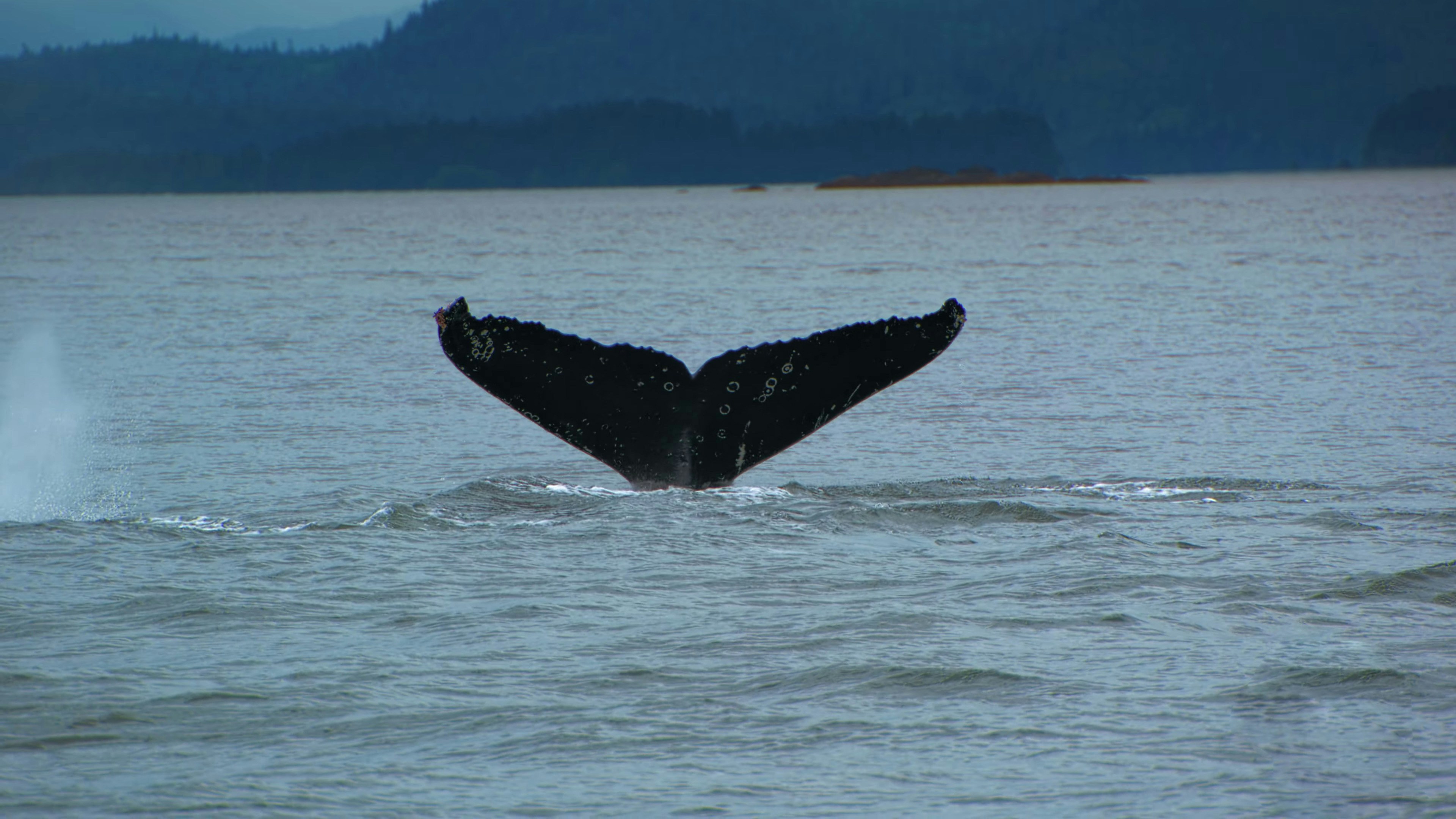
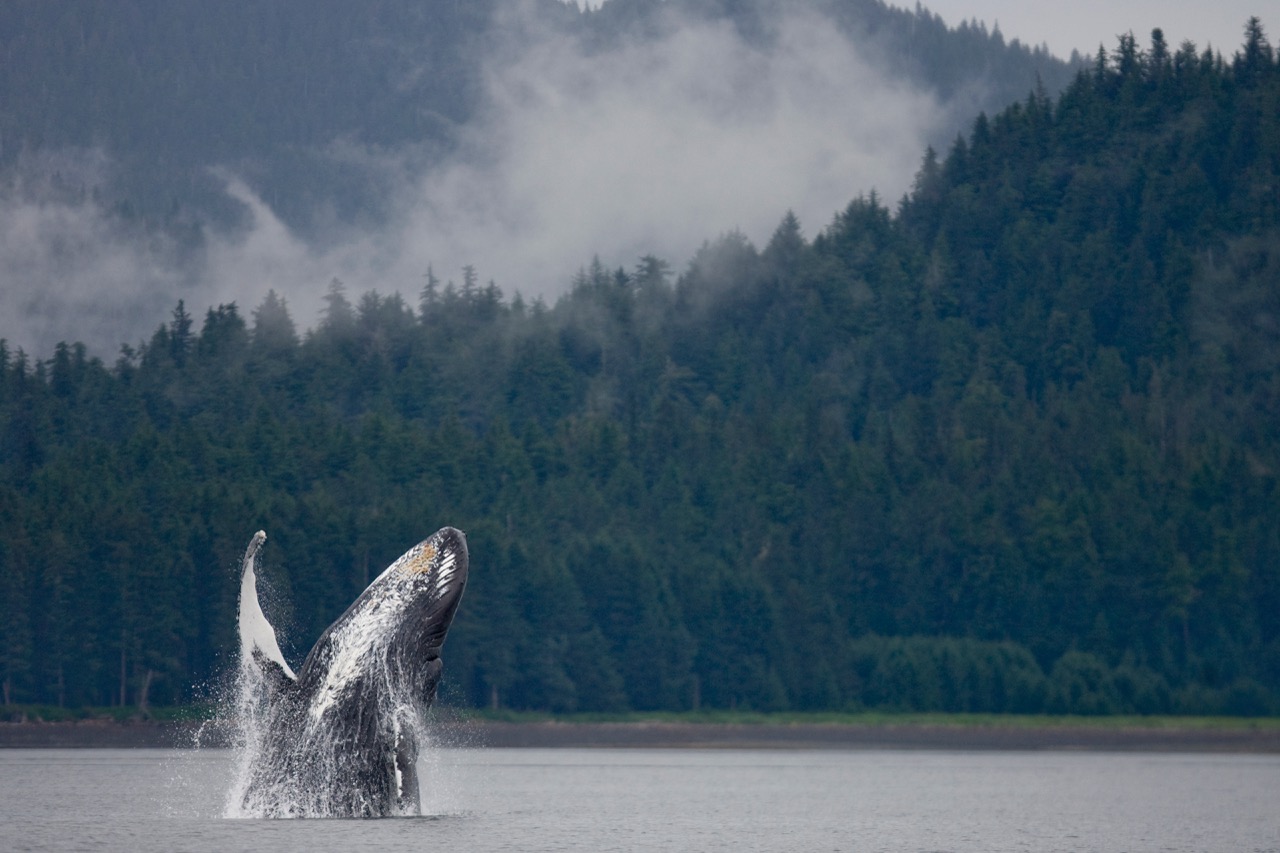
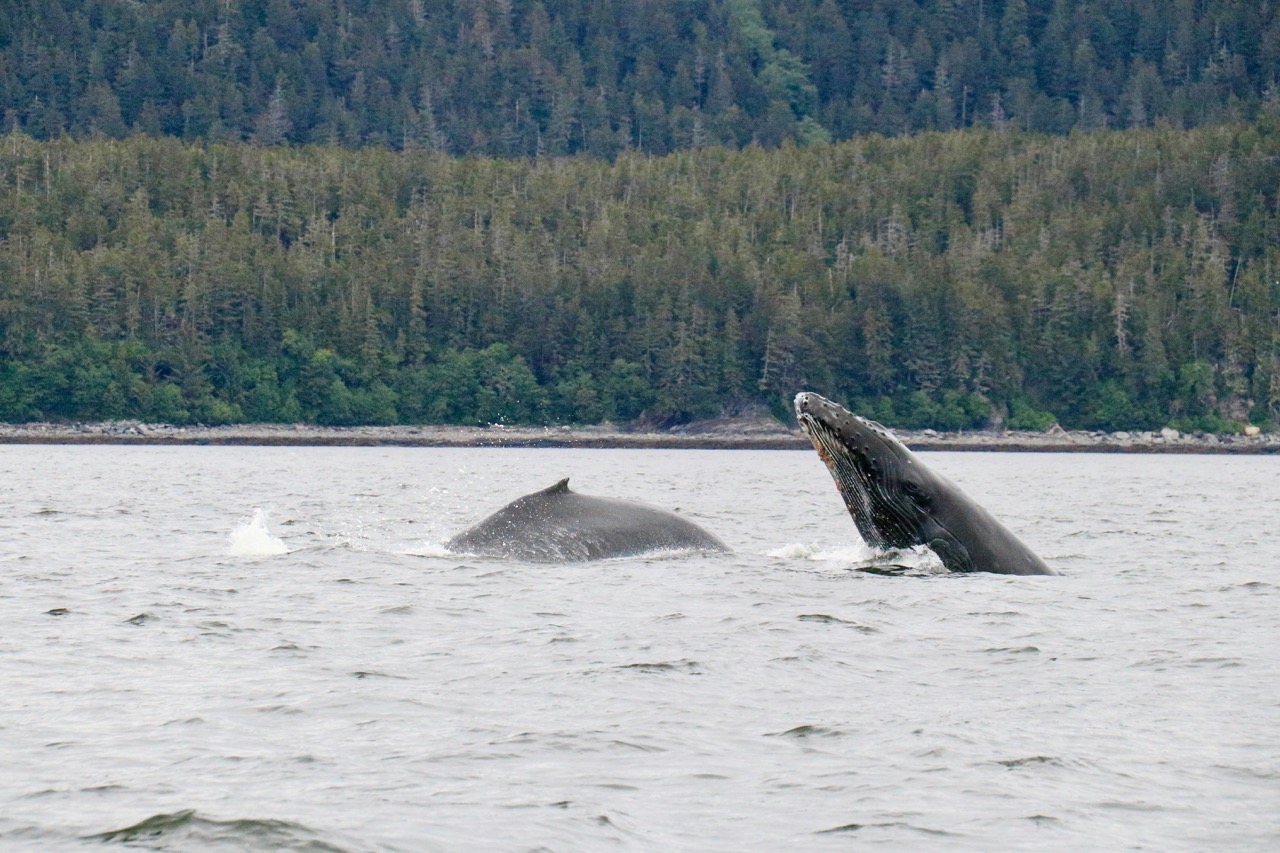
- Humpback Whales: Look for the "blow" (a misty spray as they breathe) or the "fluke" (the tail lifting out of the water before a deep dive). If you’re lucky, you’ll see a full breach, where the whale launches its entire 40-ton body out of the water.
- Orcas (Killer Whales): These are easily identified by their tall, triangular dorsal fins. They travel in pods, so if you see one, there are likely several others nearby.
Whale Photography Tips
Capturing a whale on camera is notoriously difficult due to the speed of the action.
- Shutter Speed: Keep your shutter speed at 1/1000 or higher to freeze the splash of a breach.
- Burst Mode: Set your camera to continuous shooting. The difference between a great tail shot and a splash is often a fraction of a second.
- Look for the Birds: Often, gulls and eagles will swarm an area where whales are about to surface to feed on the "leftover" baitfish.
Wildlife Etiquette & Safety
Alaska takes marine mammal protection seriously. All whale watching tours in Ketchikan must follow the "100-yard rule." Federal law prohibits vessels from approaching Humpback whales within 100 yards. This ensures the animals are not stressed and can continue their natural feeding patterns. On occasion whales sometimes approach the boat on their own, a special once-in-a-lifetime experience.
Ketchikan Logistics: Navigating Your Excursions
Because whale watching and fishing charters often involve early morning departures, where you stay can significantly impact your schedule. The Landing Hotel is conveniently located near transportation hubs and downtown Ketchikan where many tours convene.
Reliable Dining Between Tours
Managing a full day of excursions often leaves little time for hunting down a meal. We provide two consistent on-site dining options to keep your trip on track:
- The Diner at The Landing: The ideal spot for a quick, high-energy breakfast before an early charter or a hot lunch after a morning in the salt air.
- The Portside Pub & Grill: A comfortable setting to sit down, review your day’s photos, and enjoy a local draft beer and dinner without having to leave the property.
Tips for a Successful Sightings Trip
- Pack Binoculars: While tours get you close, a good pair of 8x42 binoculars will help you spot activity on the horizon.
- Dress for the Spray: Even on a sunny day, the temperature drops significantly when a boat is at cruising speed. Wear a windproof, waterproof outer layer.
- Seasickness Prep: The waters around Ketchikan are generally protected, but if you are prone to motion sickness, taking an over-the-counter remedy an hour before departure is a smart move.
Planning your trip to the Salmon Capital of the World? Whether you're here for the fishing or the giants of the deep, we're ready to host you. Check Availability at The Landing Hotel.


.svg)



