
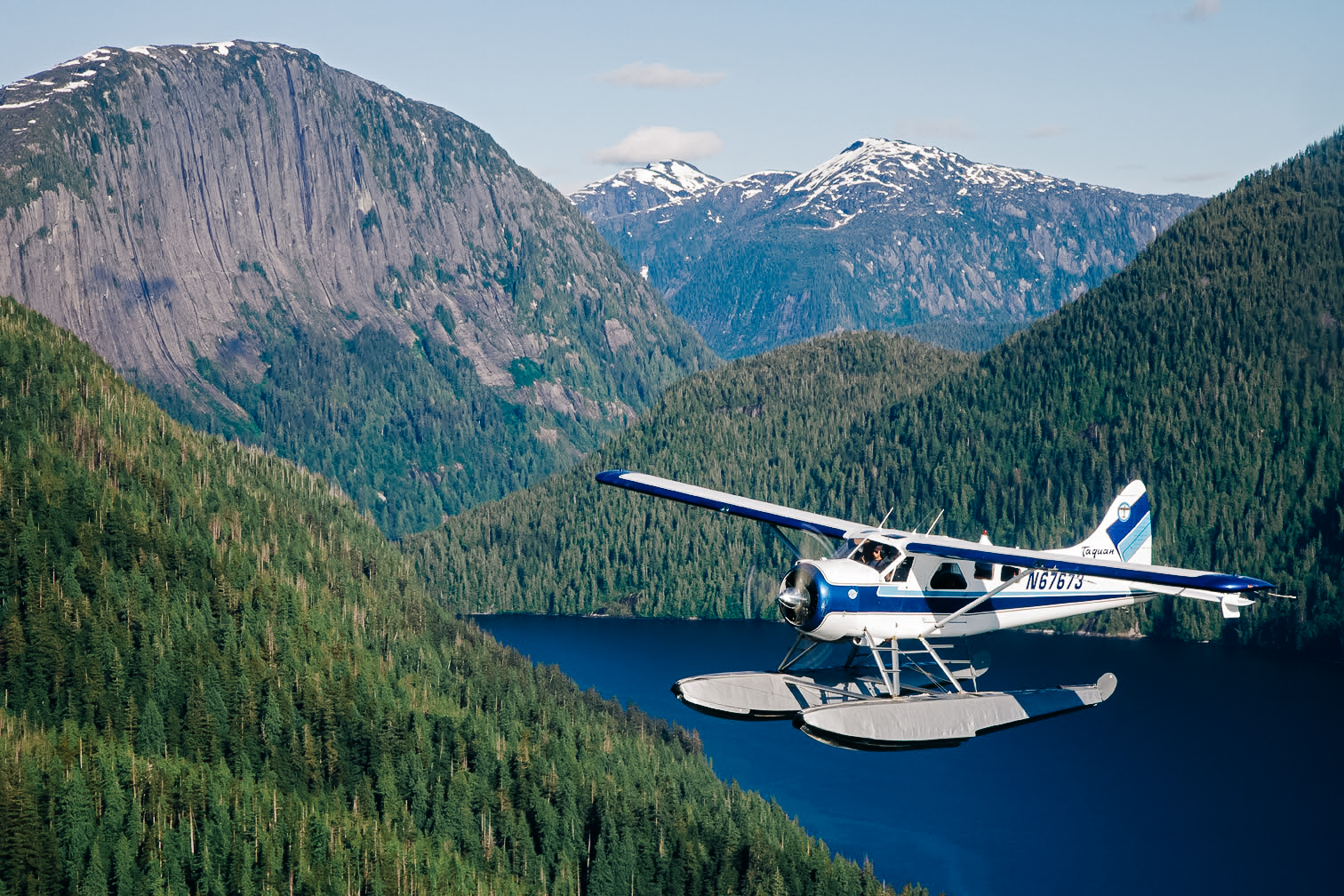
Misty Fjords National Monument is one of the most dramatic wilderness areas in Southeast Alaska, a landscape of 3,000-foot granite cliffs, narrow ocean fjords, rainforest slopes, and waterfalls that spill down from the clouds. Often compared to Yosemite carved by the sea, the monument covers 2.2 million acres of protected Tongass National Forest and remains one of the most unforgettable natural wonders near Ketchikan.
If you’re visiting Ketchikan and want to understand what Misty Fjords Alaska is like, how it formed, and the best way to experience it, this guide breaks everything down clearly and simply.
What Makes Misty Fjords So Special?
A visit to Misty Fjords feels like stepping into another world — one shaped by glaciers, ocean, and endless layers of forest and fog. Highlights include:
Towering granite cliffs
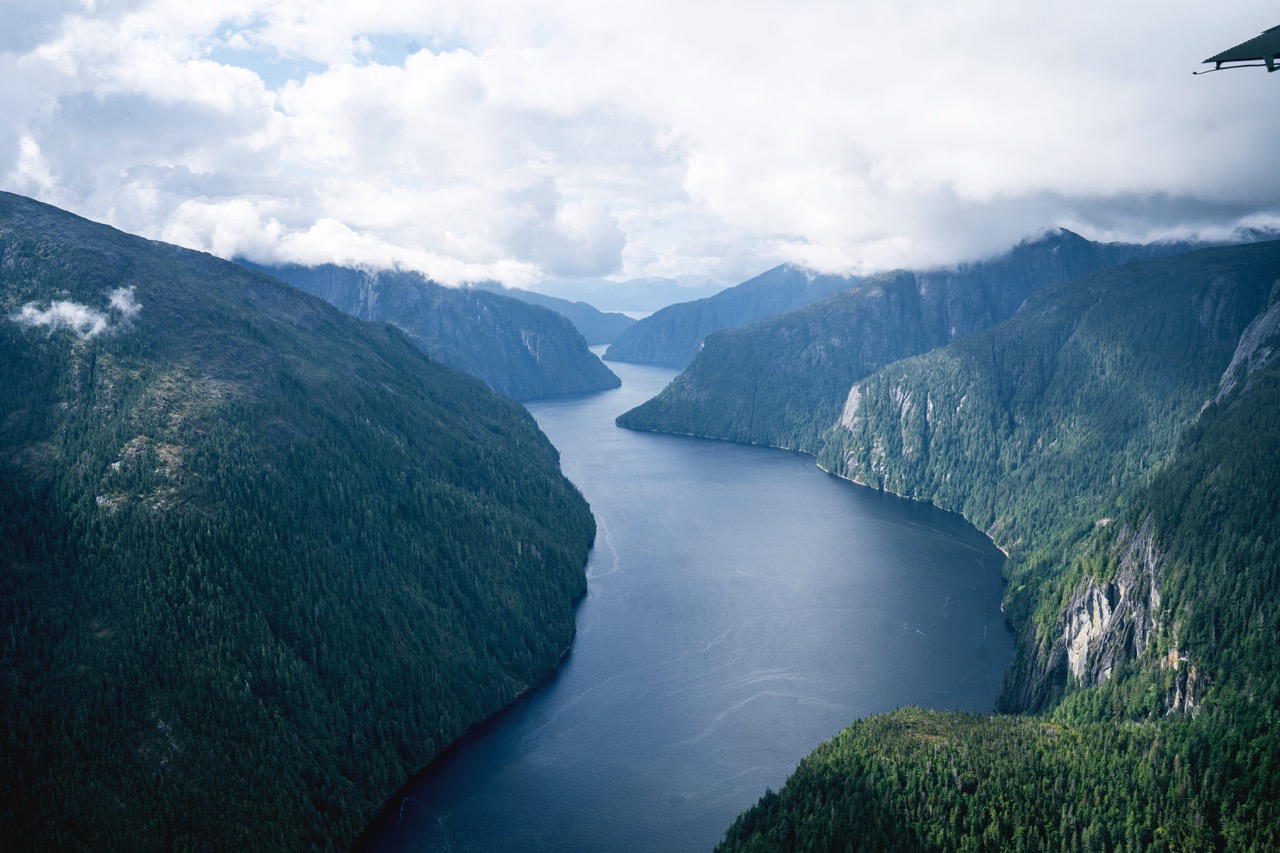
Near-vertical rock walls rise thousands of feet straight from saltwater fjords like Punchbowl Cove.
Deep, narrow waterways
These glacier-carved passages feel peaceful, still, and untouched.
Clouds and mist drifting through the cliffs
The monument gets its name from the shifting fog and light that filter through the valleys.
Abundant wildlife
Depending on the season, you may spot bald eagles, harbor seals, mountain goats, black bears, and whales in surrounding waters.
True Southeast Alaska wilderness
With no roads into the monument, the fjords remain remote, pristine, and quiet, exactly what makes this place so memorable.
When Is the Best Time to Visit the Misty Fjords?
While the Misty Fjords are scenic year-round, summer (May to September) is the best time to visit. Conditions are most stable and viewing is at its peak.
Why summer is ideal:
- Long daylight hours for better visibility
- The highest wildlife activity
- More reliable flightseeing conditions
- Calm, mirror-like fjord water
- Waterfalls fed by summer rain
- Full availability of operators offering access into the monument
If seeing Misty Fjords National Monument is a priority for your trip, summer gives you the best experience with the lowest chance of disrupted plans.
How to See the Misty Fjords: Floatplane vs. Boat
Since no roads lead into the monument, all travel is by air or water.
Seasoned operators like Allen Marine Tours or Kawanti Adventures run popular routes, offering reliable vessels and small-group floatplane connections for deeper fjord access.
A floatplane experience gives you sweeping views, while boat tours glide through the narrows, here’s how they compare.
Misty Fjords by Floatplane
Best for: dramatic scenery, photography, and understanding the scale of the monument
What to expect
A floatplane gives you sweeping views of granite walls, alpine lakes, hanging valleys, and long fjord corridors carved by ice. Many flights land on calm inlets so guests can step onto the floats and take in the silence.
What you’ll see
- Sheer cliffs from above
- Glacier-fed lakes
- Punchbowl Cove and Rudyard Bay
- Waterfalls and snowfields
- The vast layout of the fjords
Duration
Typically 1.5–2 hours.
Cost Range
Generally $300–$400+ per person.
Why choose this option
- The best sense of scale
- Most dramatic photography opportunities
- Quick but immersive experience
- Summer offers the highest reliability for clear flying
.jpg)
Misty Fjords by Boat
Best for: wildlife viewing, up-close scenery, and a slower, immersive experience
What to expect
Boat trips glide through narrow fjords, giving you front-row views of waterfalls, rainforest slopes, and sheer rock walls rising above the water. It’s calm, quiet, and ideal for spotting wildlife.
What you’ll see
- Harbor seals on the rocks
- Bald eagles overhead
- Waterfalls up close
- Forested cliffs
- Mirror-like reflections on the water
Duration
Usually 4–5.5 hours.
Cost Range
Typically $150–$200 per person.
Why choose this option
- A more quiet, peaceful way to explore the fjords
- Better chances of spotting wildlife
- A more budget-friendly choice
- A more up close experience
If you're curious about other things to do in Ketchikan, check out our Complete Traveler's Guide to Ketchikan.
Where The Landing Fits Into Your Visit
If the Misty Fjords are on your itinerary, staying in a convenient location can make your travel day effortless.
The Landing Hotel offers a highly practical base near many common departure points for scenic flights and marine excursions.
Why travelers choose The Landing as their basecamp:
- Located directly across from the Alaska Marine Highway & Inter-Island Ferry terminals
- Just two blocks from the airport ferry
- Minutes from floatplane docks and boat departure areas along Tongass Avenue
- Two on-site restaurants (The Diner and The Portside Pub & Grill) for easy meals before or after your outing
- Quiet, comfortable rooms to recharge after a full day exploring the monument
For visitors planning to explore Misty Fjords National Monument, The Landing provides a dependable, well-positioned place to stay that keeps your travel days simple and smooth.


.svg)



